


Editor’s Note: This story originally appeared on The Penny Hoarder.
A realistic two-week grocery budget covers 14 days of meals, snacks and household basics without forcing you into last-minute store runs.
For many households, that lands somewhere between $150 and $300, but the right number depends on household size, where you live, how often you cook and whether you’re feeding kids or covering special diets.
The bigger issue isn’t picking a random number — it’s building a budget around meals you’ll actually eat, foods that last the full two weeks and a plan for using perishables before they go bad.
Andrea Woroch, a consumer savings expert, said the process starts before you ever get to the store.
“When it comes to budgeting for any purchase, preparing ahead and creating a detailed plan can help you achieve any goal — including a two-week grocery budget,” said Woroch, who shares tips on budgeting on her site, www.andreaworoch.com.
Here are the tips and tricks experts like Woroch say can make or break your grocery budget.
How Much Should You Budget for Groceries for 2 Weeks?

A realistic grocery budget for two weeks usually ranges from about $120 to $180 for one adult and about $460 or more for larger households.
The USDA’s monthly food plan reports are one of the best benchmarks for grocery spending because they show how food costs vary by age and household makeup.
However, your actual number may be higher if you live in a high-cost metro area, buy specialty items or follow a specific diet.
Here’s a realistic biweekly grocery budget range based on household size:
| Household Size | Low-End Budget | Moderate Budget | Higher-Comfort Budget |
|---|---|---|---|
| 1 adult | $122–$143 | $152–$180 | $194–$225 |
| 2 adults | $244–$286 | $304–$360 | $388–$450 |
| Family of 3 | $320–$408 | $388–$518 | $490–$633 |
| Family of 4 | $460–$470 | $465–$579 | $541–$674 |
One way to check whether your target is realistic is to break it into a daily number.
A $200 grocery budget over 14 days works out to about $14.30 a day for the household. That can feel a lot more manageable than looking at the full total all at once.
Grocery prices vary by region and change frequently. Metro areas can run significantly higher than national averages, so adjust your target based on local store pricing.
Sample Two-Week Grocery Budget by Spending Level
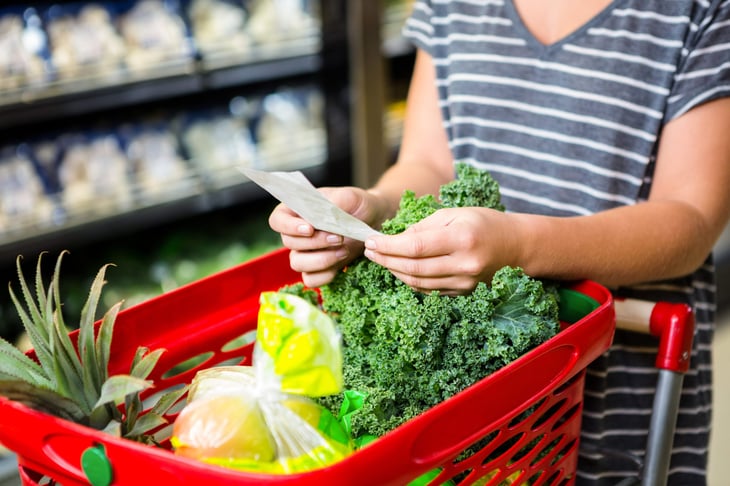
A two-week grocery budget stretches further when you match your meal plan to your spending level.
The less you spend, the more your plan needs to rely on repetition, shelf-stable staples and ingredients that can do double duty across multiple meals.
$100 Two-Week Budget (Extreme Stretch)

A $100 two-week grocery budget is possible for one adult, but it usually requires very simple meals, heavy use of pantry staples and careful protein planning, with little wiggle room for snack foods.
Best for: One adult or two highly frugal adults who already have basics like oil, spices and condiments on hand.
Core staples may include:
- Rice and dried beans
- Pasta and sauce
- Oats
- Eggs
- Peanut butter
- Frozen vegetables
- Whole chicken
- Bananas and carrots
- Store-brand bread
- Milk
Sample 3-Day Rotation for the $100 Budget

- Breakfast: Oatmeal with banana
- Lunch: Rice and beans
- Dinner: Roast chicken with vegetables
Then you repeat those ingredients in slightly different ways, such as chicken sandwiches, egg-and-rice bowls or pasta with frozen vegetables. That repetition helps cut waste, which matters more than variety when your budget is this tight.
By the second week, you might run out of fresh produce, snacks and speciality items.
That’s why Woroch said it’s important to think about your family’s favorite meals and look for recipes that use the same ingredients to ensure you cook up everything.
“I also suggest cooking in bulk so you have a couple of leftover meals that are easy to reheat on those nights you’re too busy to cook from scratch,” Woroch said.
$150 Two-Week Budget (Frugal but Realistic)

A $150 grocery budget for two weeks works well for one adult or two careful shoppers cooking most meals at home.
This budget usually gives you enough room for a better mix of produce and a little more protein variety.
In addition to low-cost staples, you’ll typically have room for:
- Fresh produce rotation
- Ground turkey or chicken breasts
- Yogurt
- Cheese
- Tortillas
- Canned tuna
- Potatoes
- Seasonal fruit
If you spend $150 and prepare 28 meals over 14 days, that averages about $5.35 per meal.
This budget tends to work best when you choose ingredients that can stretch across several meals, like tortillas for wraps and quesadillas, potatoes for breakfast and dinner, or cooked chicken for salads, bowls and sandwiches.
$200–$250 Two-Week Budget (Moderate Comfort)

A $200 to $250 biweekly grocery budget allows more flexibility and variety while staying cost-conscious.
This tier can support:
- Multiple proteins
- More fresh produce
- Snacks
- Breakfast variety
- Occasional convenience foods
Quick Budget Snapshot
| Budget | Best For | Estimated Cost Per Meal |
|---|---|---|
| $100 | 1 adult (strict) | About $3–$4 |
| $150 | 1–2 adults | About $5 |
| $225 | 2 adults | About $5–$6 |
How to Make Groceries Last the Full 14 Days

Don’t be shy with the virtual scissors because digital coupons can make a big difference in this thrifty plan. Join loyalty programs, shop weekly ads or find coupons to help lower costs further and create room for a little indulgence in this grocery budget.
Use Fresh Ingredients First
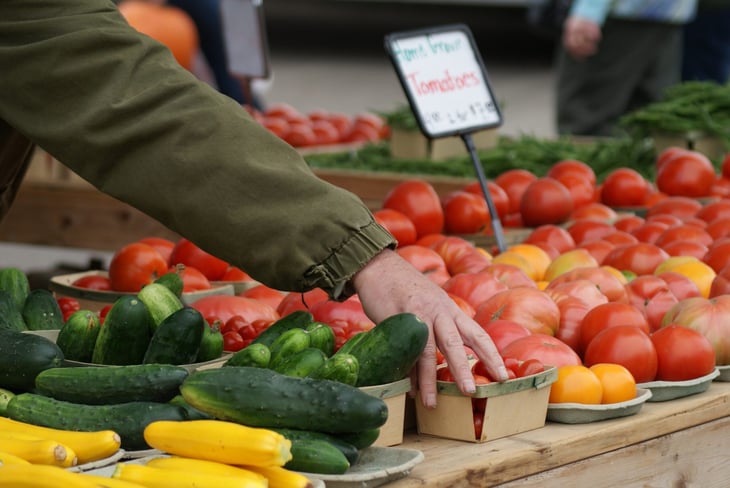
Use fresh ingredients like produce during the first week because they spoil fastest and are the easiest items to waste, Woroch said.
“Some perishable foods can spoil more quickly than others,” she said. “For example, apples and potatoes can sit out longer, so this would be good to mix into your two-week plan since those would last through the end of the cycle.”
Prioritize:
- Leafy greens
- Berries
- Fresh herbs
- Avocados
- Soft fruits
Meals like salads, tacos and stir fry work well early in the cycle.
Shift to Pantry and Freezer Meals in Week Two
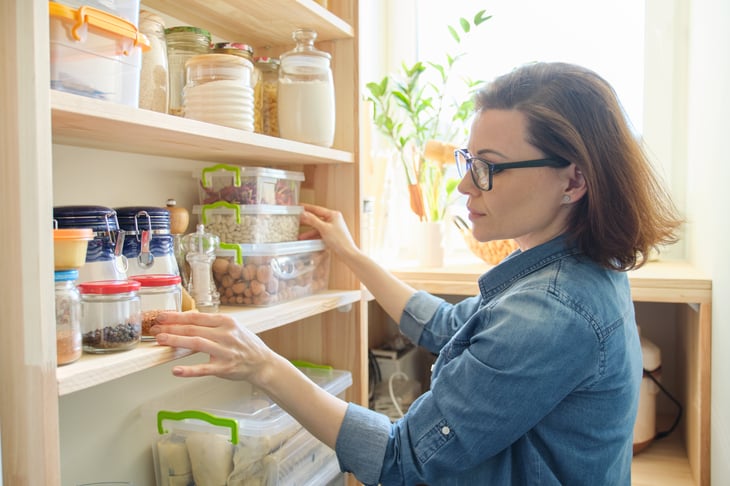
Pantry and freezer meals should carry more of the heavy lifting in week two because they’re easier to stretch and less likely to go bad.
“You can even freeze single serving leftovers to reheat the second week — another way to stretch out those more perishable ingredients,” Woroch said.
Rely on:
- Frozen vegetables
- Soups made from leftovers
- Pasta dishes
- Rice bowls
- Chili or casseroles
If you batch-cook on day one or two, week two gets a lot easier. You’re not starting from scratch when you’re tired or busy.
That matters because one of the biggest risks in a two-week grocery cycle is food waste, Woroch said.
“Some foods could go bad and leave you with an urge to order take out toward the end of that cycle, breaking the budget you set in the first place,” she said.
Plan a Small Mid-Cycle Refill if Needed

A small $10–$20 refill for milk, bread or produce can prevent a larger impulse shopping trip later.
The goal is avoiding a costly emergency run because you ran out of basics.
“You can always include some extra funds for unexpected extras — like a run to the store to grab more tomatoes or olive oil — to help keep your budget in check,” Woroch said.
Keeping core items stocked helps.
7 Ways to Stick to a Biweekly Grocery Budget

You can stick to a biweekly grocery budget by reducing impulsive spending, planning for week two and tracking your spending as you shop.
These are the habits that make the biggest difference:
- Shop with a written list.
- Compare price per ounce.
- Avoid mid-cycle store visits.
- Choose versatile proteins.
- Freeze bread and meat immediately.
- Track your cart total in real time.
- Check your pantry before building your list.
Sticking to a shopping list and planning out meals ahead of time are essential, Woroch said.
“Shopping with a list ensures you don’t forget an important ingredient,” she said. “It will keep those impulse purchases at bay. Stick to your list and commit to buying nothing more than what’s on it.”
What the USDA Says About Grocery Spending

The USDA says grocery spending varies widely by household size, age and food plan level, which is why its monthly food plan reports are best used as a benchmark, not a rule.
The USDA regularly publishes food plan estimates for four spending levels, from thrifty to liberal. Those reports can help you compare your grocery bill with national patterns, but they don’t account for everything.
For example: :
- Metro areas can run 20%–30% higher than national averages.
- Dietary restrictions may increase costs.
- Store choice significantly affects totals.
If your grocery spending is above the national estimate, that doesn’t automatically mean you’re doing something wrong. It might simply mean your local prices are higher or your household needs are different.
Common Mistakes That Blow a Two-Week Grocery Budget

Two-week grocery budgets usually fail because of planning gaps rather than unrealistic numbers.
Common mistakes include:
- Not planning week two meals.
- Buying too much perishable produce.
- Forgetting snacks.
- Skipping pantry inventory.
- Shopping while hungry.
Fixing even one of these can make your budget much easier to maintain.
Read the full article here